
Platelet-rich plasma (PRP) therapy is gaining traction as a promising treatment for various
conditions, especially those related to joint pain and tissue repair. Let’s dig into what PRP is,
how the procedure works, what recovery looks like, and what one can expect following
treatment.
Understanding PRP Therapy
PRP therapy begins with a straightforward process: a blood draw from the patient. This blood is
then placed into a centrifuge, spinning at high speeds to separate the components. The critical
element for PRP therapy is the platelet-rich plasma, known for its high concentration of growth
factors. These growth factors are pivotal in initiating and accelerating tissue repair and
regeneration.
PRP Procedure Explained
The concentration of platelets and growth factors in PRP can be up to 5 to 10 times greater than
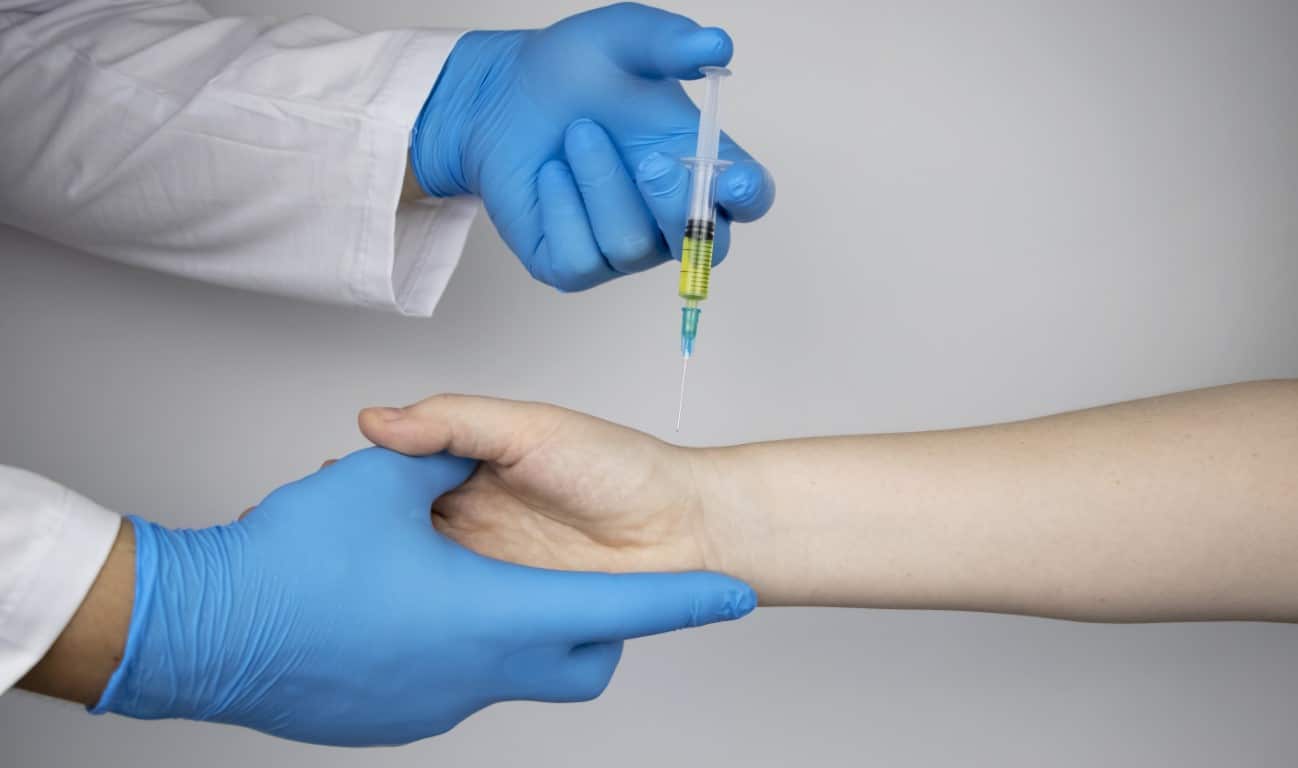
that found in untreated blood. Once this concentration is achieved, the PRP is drawn into a
syringe and injected into the affected area. To enhance precision, the procedure may be guided
by ultrasound technology. This allows for targeted treatment, increasing the efficacy of the
injection and minimizing discomfort.
Who Can Benefit from PRP Treatments?
PRP is especially beneficial for individuals who have not found relief from traditional physical
therapies or those who wish to avoid more invasive treatments such as surgery. It’s also
Recovery Timeline for Platelet-Rich Plasma
Unlike cortisone shots, which offer quick but temporary relief, PRP therapy works differently. It’s
a gradual process, with the growth factors working overtime to repair and rebuild the damaged
tissues. Initial improvement is typically observed within weeks 3-4, and most patients report a
progressive decrease in pain and enhancement in function over time.
What To Expect Post-Treatment
After the procedure, some soreness is prevalent at the injection site. This discomfort is generally
mild and temporary. Patients can expect to return to normal activities shortly after the treatment, although they may be advised to avoid strenuous activities for a certain period to maximize the
healing process.
Setting Realistic Expectations
It’s crucial to have realistic expectations when opting for PRP treatment. The results take time and
vary depending on the individual’s condition and overall health. Consistency and patience are
essential as the benefits of PRP therapy unfold over time. It’s a progressive treatment for long-
term recovery, not just a quick fix.
With continued research and advancements, PRP therapy may become a cornerstone in
treating more complex situations. If you’re considering PRP therapy, contact a healthcare
professional like Neogenix Stem Cells to determine if it’s the right option.
