
Knee Pain Treatment in Charlotte, NC
Most knee pain patients in Charlotte have already tried the standard path: rest, physical therapy, anti-inflammatory medications, and cortisone injections. When those stop working, the next conversation is usually about knee replacement surgery. At NeoGenix, our board-certified physicians offer something different: regenerative medicine treatments that address the structural damage causing your pain, without an operating room.
Knee conditions are the most common reason patients come to NeoGenix. Our physicians have treated thousands of knee cases since 2016, including patients who were told they were bone-on-bone and had no options short of replacement. Many of those patients avoided surgery and returned to full activity.
Knee Conditions We Treat in Charlotte
The knee is the largest and most load-bearing joint in the body. Chronic knee pain almost always has a specific structural source. Our physicians review your imaging and take a full history before making any treatment recommendations. We treat the following knee conditions with stem cell therapy, PRP, and focused shockwave therapy:
- Knee Osteoarthritis
- Meniscus Tears
- Bursitis
- Patellar Tendinitis (Jumper’s Knee)
- Ligament Injuries (ACL, PCL, MCL, LCL)
- Cartilage Damage (Chondromalacia)
- Patellofemoral Syndrome (Runner’s Knee)
Knee Pain Treatment Options
NeoGenix Non-Surgical Treatments for Relieving Your Knee Pain
If you are considering knee surgery, get a second opinion with NeoGenix. Stem Cell Therapy is an alternative to knee replacement surgery. It is a less invasive treatment that is easier and more successful in your recovery.
Stem Cell Therapy
NeoGenix specializes in stem cell therapy for knee pain. This innovative treatment uses your body’s stem cells, harvested from bone marrow or adipose tissue, to promote healing and regeneration of damaged tissues. Stem cell therapy can be effective for various knee conditions, including osteoarthritis, meniscus tears, and chronic cartilage degeneration.
PRP Treatment
Platelet-rich plasma (PRP) treatment involves using concentrated platelets from your blood to stimulate healing in the knee. This treatment can be effective for tendon injuries, bursitis, and other soft tissue conditions.
Alternative to Knee Replacement Surgery
Many patients who have undergone stem cell treatments for knee pain and acute knee injuries have found this minimally invasive regenerative medicine procedure to be an excellent alternative to total knee replacement, arthroscopic surgery, or meniscus surgery.
Non-Surgical Knee Pain Treatment vs. Knee Replacement Surgery

Knee replacement surgery has a legitimate place in orthopedic care. For patients with end-stage arthritis, severe deformity, or failed previous interventions, it can be life-changing. We’re not suggesting otherwise.
What we are saying is that knee replacement is frequently offered before regenerative options have been tried. Patients with significant but not end-stage arthritis are often given a surgical timeline without a conversation about whether biologic treatment might delay or eliminate the need for replacement entirely.
The recovery from knee replacement surgery is substantial: 3 to 6 months of significant limitation, physical therapy requirements, risks of infection and blood clots, implant longevity concerns for younger patients, and the possibility of revision surgery. Our treatments require no incision, no general anesthesia, and no extended recovery. Most patients return to normal activity within days.
If you’ve been told you need knee replacement surgery, a consultation with NeoGenix before that decision is the right next step. If we think surgery is genuinely your best option, we’ll tell you that. If we think we can help you avoid it, we’ll tell you that too.
Knee Doctor in Charlotte NC
How NeoGenix Diagnoses Knee Pain

Our experienced physicians, led by Dr. James Altizer, perform thorough physical examinations to assess your knee’s range of motion, strength, and areas of pain or discomfort.

We use advanced imaging techniques, including ultrasound, to accurately diagnose knee conditions. This allows us to visualize soft tissue injuries and guide precise treatment.
What to Expect at NeoGenix
Your first appointment is a free consultation with one of our board-certified physicians at our Charlotte office on Lancaster Highway or our Lake Norman location in Cornelius. They’ll review your imaging, take a full history, and examine your knee. If they believe regenerative medicine can produce a meaningful result for your condition, they’ll walk you through exactly what treatment would involve and what outcomes you can realistically expect.
The NeoGenix knee treatment protocol follows five steps:
- Step 1: Joint Preparation: The knee is prepared and imaged before any procedure begins.
- Step 2: Stem Cell and/or PRP Injection: Cells or platelets are harvested and delivered under ultrasound guidance to the exact structure being treated.
- Step 3: Bracing: An unloader brace is often recommended following knee treatment to reduce load on the joint during healing.
- Step 4: Rehabilitation: Guided physical therapy begins after the initial healing period to rebuild strength around the joint.
- Step 5: PRP Booster: A PRP booster injection 2 to 3 months after treatment amplifies the regenerative response.
Proven Results Across the Carolinas
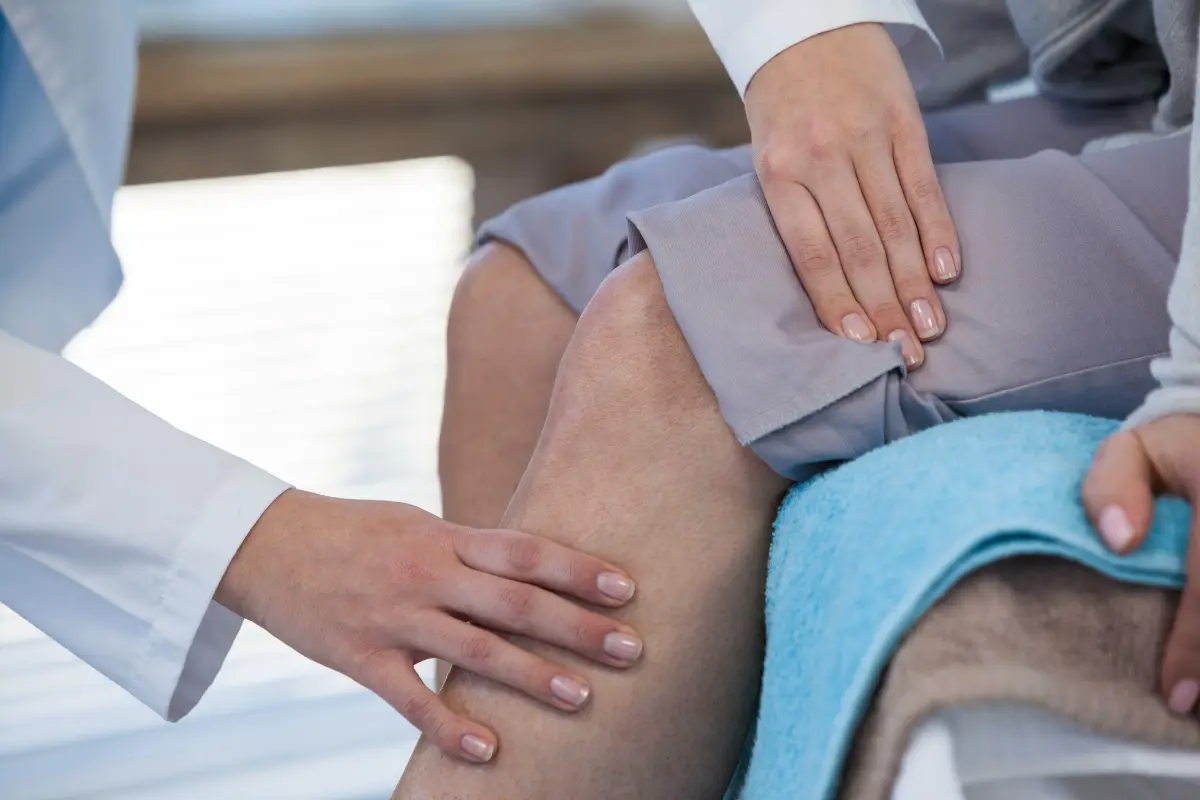
NeoGenix physicians have performed more than 6,000 stem cell and PRP procedures since January 2016, with a 94%* success rate and the majority of results lasting several years. Knee conditions are the single most common treatment category at our Charlotte and Cornelius offices.
Patients travel to NeoGenix from Raleigh, Durham, Greensboro, Columbia SC, Greenville SC, and from across the country specifically for knee treatment. The combination of physician specialization, treatment volume, and dosing protocols is not available at most practices offering regenerative medicine as a sideline service.
%
NeoGenix patients success rate for knee pain treatment with many results lasting for years.

If you’re suffering from joint pain, don’t wait to seek treatment. Contact NeoGenix Stem Cell & Regenerative Therapies at 704-727-6551 for a free consultation.
Our team of regenerative medicine specialists, led by Dr. James Altizer, can assess your condition and recommend the most appropriate treatment plan to help you regain pain-free joint function.
The success of the procedure was determined by the patient achieving at least a 50% or more overall improvement with lasting results.
When asked after 1 year what their overall improvement was, patients have subjectively, objectively, and through activities of daily living reported an average overall improvement of between 83-84%.
Knee Pain FAQs
Can stem cell therapy help bone-on-bone knee arthritis?
Yes, in many cases. The Super Shot protocol was developed specifically for bone-on-bone osteoarthritis and severe cartilage degeneration. Many patients in this category have avoided knee replacement surgery after treatment at NeoGenix. Results depend on the degree of damage, the patient’s age and overall health, and other factors. Your physician will review your MRI at your consultation and give you an honest assessment of what to expect, not a guarantee.
Is stem cell therapy a permanent alternative to knee replacement?
For many patients, yes. The results last several years and in some cases indefinitely. For others, particularly those with very advanced arthritis, the treatment may delay surgery significantly rather than eliminate it. Our physicians will tell you which category they believe you fall into based on your imaging and examination.
How does NeoGenix's knee treatment compare to what an orthopedic surgeon offers?
An orthopedic surgeon’s regenerative options, when offered, are typically a single PRP injection using a basic centrifuge system: a single spin, standard concentration. NeoGenix uses the only FDA-approved three-spin, high-dose PRP system available, and our stem cell protocols combine both bone marrow and adipose sources at concentrations most practices don’t achieve. Regenerative medicine is all we do.
How many knee procedures has NeoGenix performed?
Knee conditions are the most common treatment at NeoGenix. Our physicians have performed more than 6,000 stem cell and PRP procedures since 2016 across all conditions, with knee osteoarthritis and meniscus injuries representing the largest share.
Is the procedure painful?
The knee joint is numbed with a local anesthetic before any injection. Most patients describe mild pressure during the procedure, similar to a cortisone shot. There’s no general anesthesia involved. Most patients leave the office the same day and return to light activity within a few days.
How long does it take to see results from knee stem cell therapy?
Most patients notice initial improvement within 4 to 8 weeks. The most significant results typically occur between 3 and 6 months as the regenerative process matures. The PRP booster injection at the 2 to 3 month mark is an important part of maximizing the outcome.
Does insurance cover stem cell therapy for knee pain?
Most insurance plans do not currently cover regenerative medicine procedures. We’re transparent about pricing during your free consultation with no surprises. Out-of-town patients receive a $500 travel voucher toward treatment cost.
Treatment Options for Chronic Knee Pain
Apart from conventional treatments like rest, medication, and in some cases, surgery, regenerative medicine offers options like stem cell therapy and PRP Treatments. This involves using the body’s own cells to promote healing and regeneration in the damaged knee tissue.
Do I need to live in Charlotte to be treated at NeoGenix?
No. We treat patients from across North Carolina, South Carolina, and around the country. Our Charlotte office is at 16147 Lancaster Hwy #140, and our Lake Norman office is at 19475 Old Jetton Rd #102 in Cornelius. Find which office is closest to you here!
Stem Cell Therapy for Osteoarthritis(Degenerative Joint Disease)
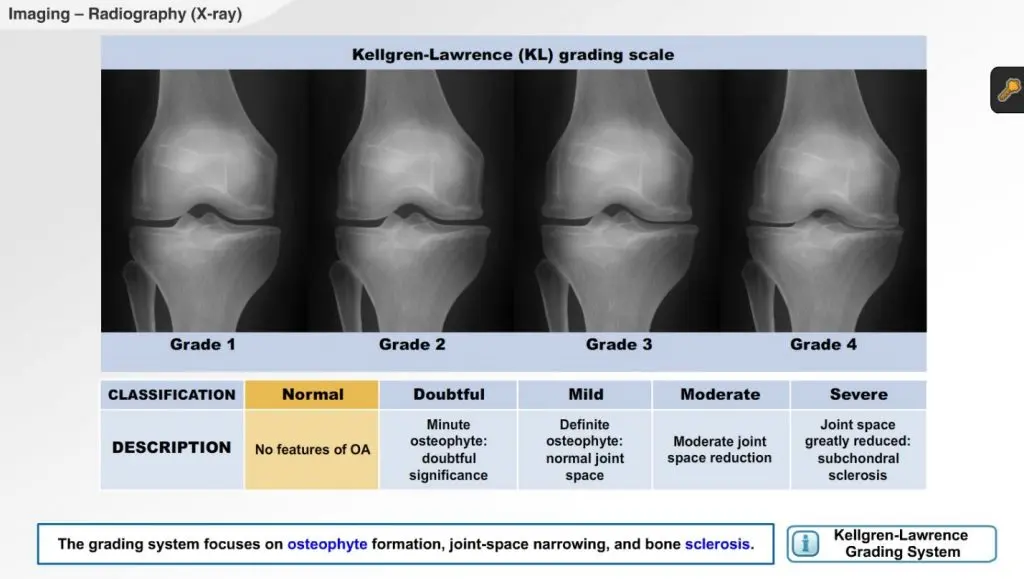
Osteoarthritis is a chronic degenerative, progressive disease resulting in cartilage degeneration, osteophytes, and loss of joint function. Why doesn’t cartilage in knee joints self-repair similar to a cut on your hand or a broken bone? Why can’t our body repair damaged knee cartilage before it gets thinner and thinner, eventually leading to denuded areas of bone on bone arthritis?
The simple reason is that knee joints do not have adequate circulation. There is no artery inside any joint. Cartilage gets oxygen and nutrients that diffuse or dissolve tissue fluid from the underlying bones. This circulation is enough to keep it alive but is not adequate to repair the damage with trauma, repetitive use, and aging. Over time and after trauma, our joint cartilage starts to wear out, sometimes slowly over the years and sometimes very quickly over a few months.
Stem Cell Therapy for Meniscus Tears and Strains
The meniscus is one of the most susceptible areas of the knee to degeneration and tearing. Surgeries and arthroscopic procedures are very common treatments for meniscus tears, however, the verdict is in. Medical studies have now proven beyond any doubt that most surgeries and arthroscopic procedures for meniscus problems are absolutely no better than conservative, non-operative treatment. Yet meniscus surgery continues to be one of the most frequently performed surgeries in the country. Why? Because it’s lucrative for the doctor and insurance companies pay for it. Stem cell therapy for a torn meniscus can be just as beneficial with none of the risk, expense, prolonged recovery, and morbidity of a surgical procedure.
Stem Cell Therapy for Patellar Tendon Tears and Strains
So called ‘Jumper’s Knee’ results from repeated high impact stress on the patellar tendon. Stem cell therapy has been proven to heal tears and sprains in this tendon, allowing patients to resume their previous level of activity. The recovery is quick and the treatment is safer than cortisone shots.
Stem Cell Therapy for Ligament Tears and Strains
Stem Cell Therapy for ACL Tears and Strains
Stem Cell Therapy for PCL Tears and Strains
Stem Cell Therapy for LCL Tears and Strains
Stem Cell Therapy for MCL Tears and Strains
Stem cell therapy has proven to be so successful for ligament damage in knees, that many professional athletes have now chosen it as their standard of care for knee injury treatment. One thing to be aware of is most people who undergo surgery for knee ligament tears go on to develop arthritis in that same knee years later, so avoiding surgery is important if possible. An MRI or ultrasound exam will provide a good prognostic indicator to determine the severity of the ligament tear or strain.
Stem Cell Therapy for Osteoarthritis(Degenerative Joint Disease)
Osteoarthritis is a chronic degenerative, progressive disease resulting in cartilage degeneration, osteophytes, and loss of joint function. Why doesn’t cartilage in knee joints self-repair similar to a cut on your hand or a broken bone? Why can’t our body repair damaged knee cartilage before it gets thinner and thinner, eventually leading to denuded areas of bone on bone arthritis?
The simple reason is that knee joints do not have adequate circulation. There is no artery inside any joint. Cartilage gets oxygen and nutrients that diffuse or dissolve tissue fluid from the underlying bones. This circulation is enough to keep it alive but is not adequate to repair the damage with trauma, repetitive use, and aging. Over time and after trauma, our joint cartilage starts to wear out, sometimes slowly over the years and sometimes very quickly over a few months.
Request Your FREE Consultation
Thank you for your interest in NeoGenix. For more information, or to schedule a FREE consultation, please call or text us at 704-727-6551 or simply fill out the form below and a NeoGenix team member will respond as soon as possible.