
If you’re struggling with chronic joint pain or arthritis in your knee, hip, or shoulder, you’ve likely explored a range of treatments—from over-the-counter pain relievers to physical therapy and even contemplating surgery. At NeoGenix Stem Cells, we know how overwhelming these choices can feel. One innovative, minimally invasive option gaining momentum is Platelet-Rich Plasma (PRP) therapy. But is PRP right for you?
What Is PRP Therapy?
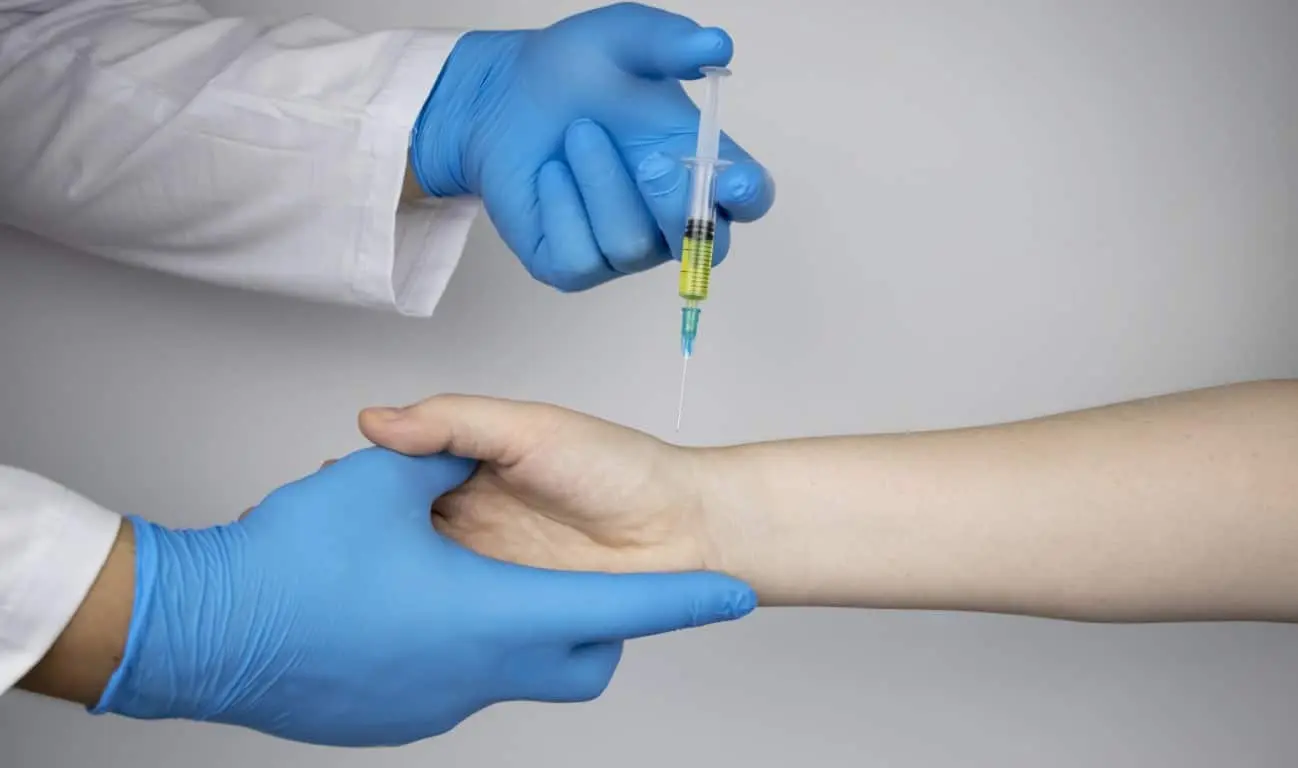
PRP therapy harnesses your body’s natural healing power. The process begins with a simple blood draw. Your blood is then spun in a centrifuge to concentrate the platelets—tiny cells packed with growth factors and proteins vital for healing. This platelet-rich plasma is then injected directly into the painful or damaged joint, targeting the root of your discomfort.
Platelets are well-known for their role in clotting, but they also release growth factors that stimulate tissue repair and reduce inflammation. By delivering a higher-than-normal concentration of these healing agents to the site of injury or degeneration, PRP aims to kickstart and amplify your body’s own repair mechanisms.
How Does PRP Help with Arthritis and Chronic Joint Pain?
Arthritis, whether caused by wear and tear (osteoarthritis), autoimmune issues (rheumatoid arthritis), or injury (post-traumatic arthritis), leads to inflammation, pain, and reduced mobility. Traditional treatments often focus on symptom management, but PRP offers a regenerative approach.
How PRP Benefits Arthritic and Painful Joints
- Reduces Pain and Inflammation: Growth factors in PRP modulate the inflammatory response, providing lasting pain relief without the side effects of steroids or NSAIDs.
- Promotes Tissue Healing: PRP can enhance collagen synthesis, which is crucial for cartilage health, and stimulate the repair of ligaments, tendons, and other joint structures.
- Slows Disease Progression: By supporting tissue regeneration, PRP may help slow the degenerative process of arthritis, preserving joint function for longer.
- Improves Mobility and Function: Many patients report an increased range of motion and a return to daily activities after PRP treatment.
- Minimally Invasive and Safe: Because PRP is made from your own blood, the risk of allergic reaction or rejection is minimal. The procedure is outpatient, with little downtime and a low risk of complications.
How Does PRP Compare to Other Treatments?
PRP stands out for patients seeking a natural, regenerative solution that doesn’t involve surgery. While surgery can be effective for severe cases, it comes with greater risks and a longer recovery period. PRP, on the other hand, is best suited for early to moderate arthritis or chronic pain where conservative treatments haven’t provided lasting relief.
Who Is a Good Candidate for PRP?
PRP isn’t a one-size-fits-all solution. The ideal candidate typically:
- Has mild to moderate arthritis or chronic joint pain (especially knee, hip, or shoulder)
- Has not found adequate relief from conservative treatments (physical therapy, NSAIDs, lifestyle changes)
- Wants to delay or avoid joint replacement surgery
- Is generally healthy, with no active infections, blood disorders, or certain chronic diseases
PRP May Not Be Recommended For:
- Patients with severe, end-stage or bone-on-bone arthritis where joint replacement is the only viable option
- Individuals with active infections, certain cancers, or blood/bleeding disorders
- Patients on anticoagulation therapy that cannot be paused
- Pregnant women or those with severe anemia
At NeoGenix, we conduct a thorough evaluation—including medical history, imaging, and physical exam—to determine if PRP is the right fit for your needs.
What to Expect During and After PRP Treatment
The PRP procedure at NeoGenix is straightforward:
- Consultation and Assessment: We evaluate your joint condition and discuss your goals.
- Blood Draw and Preparation: A small sample of your blood is processed to isolate the platelet-rich plasma.
- Targeted Injection: Using advanced imaging guidance, PRP is injected precisely into the affected joint.
- Post-Treatment Care: Most patients experience minimal discomfort and can return to normal activities quickly. Some soreness at the injection site is normal and resolves within days.
Results
Improvements in pain and function may be noticed within a few weeks, with continued progress over several months as tissue healing takes place. Some patients benefit from a series of injections for optimal results.
Top Benefits of PRP for Chronic Joint Pain
- Natural, Drug-Free Healing: Uses your own blood, minimizing risk and side effects.
- Long-Lasting Relief: Many patients experience significant, sustained improvement in pain and mobility.
- Delays Surgery: PRP can postpone or reduce the need for joint replacement in many cases.
- Quick Recovery: Outpatient procedure with minimal downtime.
- Safe and Repeatable: Can be performed multiple times as needed, with a strong safety profile.
Is PRP Right for You? The NeoGenix Approach
Choosing the right treatment for chronic joint pain is a personal decision. At NeoGenix, our board-certified physicians specialize in regenerative therapies like PRP, tailoring each plan to your unique needs and goals. We use the latest technology and evidence-based protocols to maximize your results and help you return to the activities you love.
If you’re ready to explore whether PRP is right for your knee, hip, or shoulder pain, contact NeoGenix Stem Cells for a comprehensive consultation. Let’s take the next step toward lasting relief and better joint health—together.